





Medication Assisted Treatment
Why Choose MAT?
MAT has been shown to enhance patient survival, improve retention in treatment, and support patients in reducing illicit opioid use, which in turn increases their ability to secure and maintain employment.
What is MAT?
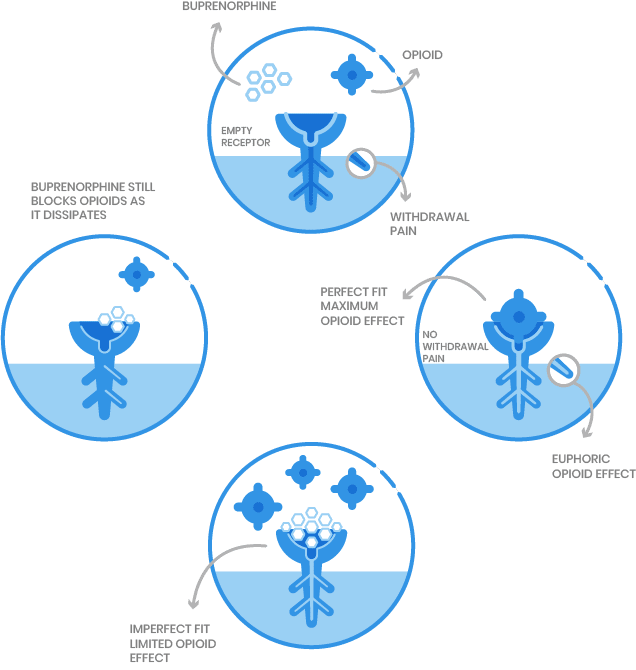
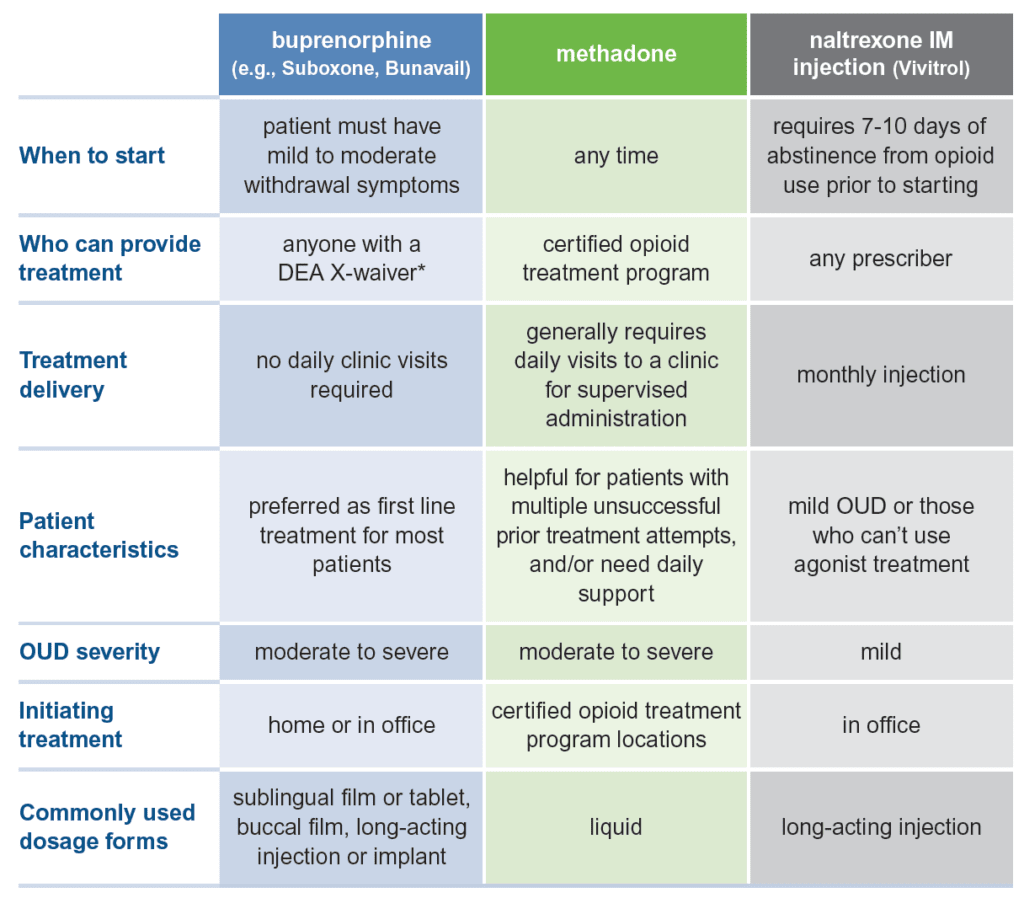
Medication Assisted Treatment (MAT) is a structured, long-term program designed for individuals recovering from opioid use disorder. Medical professionals perform individualized assessments to determine the appropriate level of care and frequency of engagement. Our outpatient program combines medication management with supportive therapy, providing a safe and effective path to recovery. FDA-approved medications such as Buprenorphine and Naloxone help manage cravings and withdrawal, offering a comfortable, supervised recovery experience. When taken as prescribed, these medications reduce the risk of overdose and support a gradual, sustainable reduction in opioid dependence.
Purpose of MAT
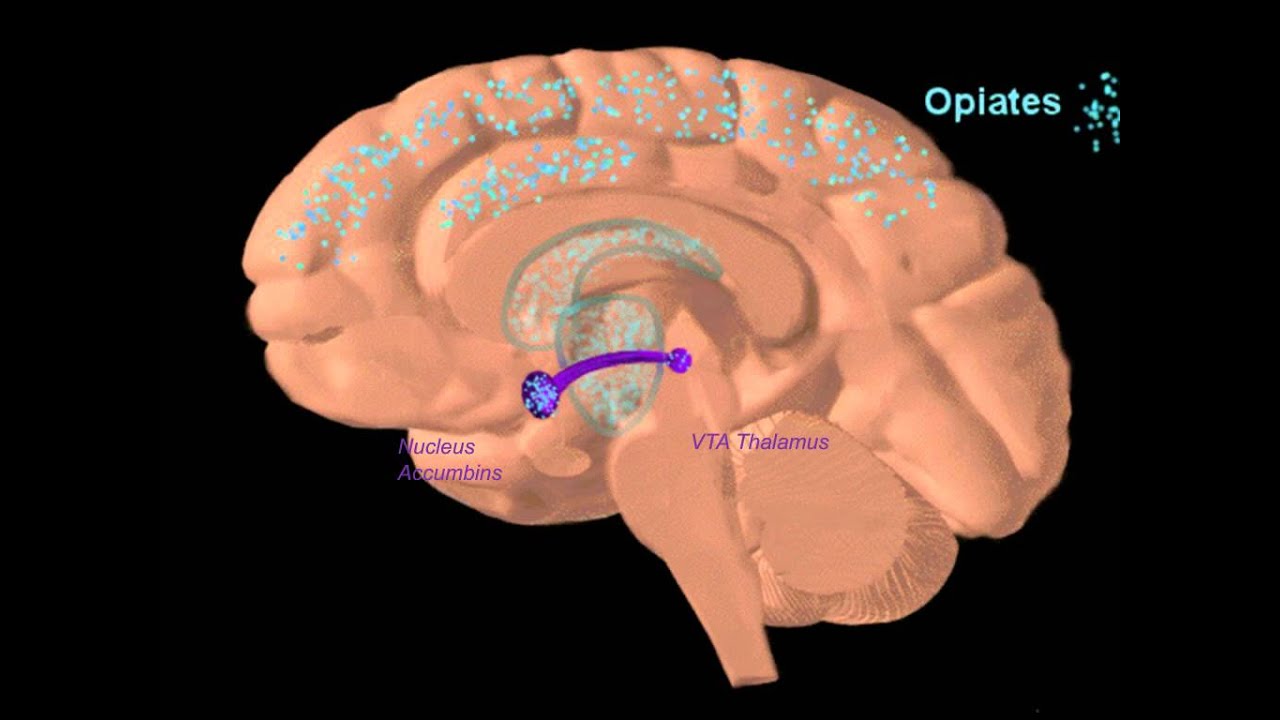
Medication Assisted Treatment (MAT) is primarily used to treat addiction to opioids, including heroin and prescription pain relievers containing opiates. The prescribed medications help restore balance to brain chemistry, decrease cravings, block the euphoric effects of opioids, and support normal bodily functions—without producing the harmful or euphoric effects of the substances themselves.
Proven Success
Clinical studies of Buprenorphine, and Naloxone have shown that patients receiving these medications are twice as likely to reduce their opioid use compared to those receiving a placebo. In the first long-term follow-up of individuals treated with Buprenorphine for prescription opioid addiction, 50% of the patients reported remaining abstinent 18 months after beginning Medication Assisted Treatment.
Patient Focused
MAT has been demonstrated to enhance overall patient outcomes, including higher treatment retention and improved long-term functioning, such as the ability to secure and maintain employment after reducing illicit opioid use. Outpatient programs are customized to each individuals’ needs, with input from the patient, prescriber, and the broader healthcare team to ensure a thorough, person-centered approach to recovery.